What Is a Water-proof Ground Sheet?
A water resistant ground sheet is a protective layer placed either beneath your outdoor tents or inside it on the floor. Its key job is to produce an obstacle between you and the ground, protecting against dampness, mud, and cold from permeating upward. Consider it as a raincoat for the bottom of your sanctuary.
While numerous modern-day tents featured a built-in groundsheet stitched right into the base, a separate, exterior ground sheet includes an additional level of defense-- and can dramatically prolong the life of your tent's floor.
Why You In Fact Need One
The ground is never as completely dry or clean as it looks. Even on a clear summertime evening, ground moisture increases, condensation kinds, and morning dew can work its way into textiles over time. Without a ground sheet, your camping tent flooring takes the full impact of this.
Right here's what a water-proof ground sheet safeguards against:
Dampness and Water Ingress
Rain does not simply drop from above-- it splashes up from the ground and saturates the dirt under your tent. An appropriate ground sheet with great water-proof rankings keeps that moisture from working through the outdoor tents flooring and into your sleeping area.
Abrasion and Use
Rocks, origins, and harsh terrain can slowly tear with camping tent floorings with duplicated usage. Placing a ground sheet underneath significantly lowers friction and wear, securing your tent's base and conserving you from costly replacements.
Insulation from Cold Ground
Cold ground attracts heat far from your body faster than chilly air does. A ground sheet adds a layer of insulation that aids retain warmth, making your evening's sleep significantly more comfortable in cooler problems.
Types of Waterproof Ground Sheets
Not all ground sheets are created equal. The ideal selection depends on exactly how and where you're camping.
Polyethylene (Poly Tarpaulin) Ground Sheets
These are the most budget friendly and extensively available option. Polyethylene tarps are extremely water resistant, resilient, and simple to find. The drawback is weight and bulk-- they're not optimal for lightweight backpacking however function well for vehicle camping or festivals.
Nylon Ground Sheets
Nylon ground sheets are lighter and more packable than poly tarps, making them a preferred selection amongst backpackers. They're normally treated with a water resistant finish and use a great equilibrium in between weight, toughness, and efficiency.
Polycryo Ground Sheets
A much-loved amongst ultralight hikers, polycryo (polycryolite) sheets are incredibly lightweight and compact. They supply strong waterproofing for brief trips however are much less durable than nylon or polyethylene over expanded, tough usage.
Impact Ground Sheets
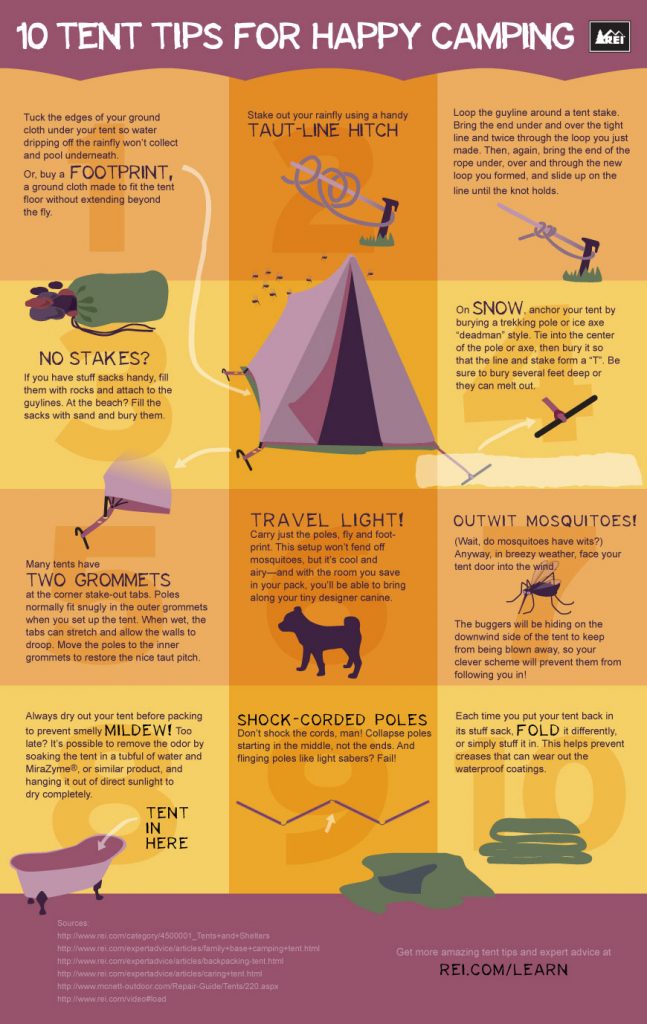
Footprints are custom-cut ground sheets designed to match the exact shape of a particular tent model. Several camping tent producers sell these as devices. While much more pricey, they fit flawlessly and don't extend beyond the outdoor tents edges-- a common trouble that can carry rain below if a ground sheet is also large.
Just how to Select the Right Ground Sheet
Dimension Issues-- But Not in the Means You Believe
Your ground sheet need to be slightly smaller sized than your tent's outer impact. If it prolongs beyond the outdoor tents walls, rainwater can accumulate on the sheet and funnel underneath-- the specific issue you're trying to stay clear of. Go for a ground sheet that sits simply inside the camping tent perimeter.
Take into consideration the Weight
For auto campers and festival-goers, weight is rarely an issue. Yet if you're bring everything on your Yurt tent back, every gram counts. Lightweight nylon or polycryo alternatives can consider as little as 100-- 200 grams and pack down to the size of a clenched fist.
Examine the Hydrostatic Head Ranking
Waterproofing is gauged in hydrostatic head (HH) rankings-- the higher the number, the much more water pressure the material can stand up to prior to dripping. For ground sheets, search for a minimal score of 3,000 mm HH. Hefty rainfall or boggy ground problems necessitate something closer to 5,000 mm or over.
Taking care of Your Ground Sheet
A ground sheet is just comparable to the care you give it. After each trip, shake off dirt and debris, wipe it down with a moist fabric, and permit it to completely dry totally prior to saving. Fold up or roll it freely to avoid permanent creasing, and store it away from direct sunlight, which can deteriorate water resistant finishings gradually.
If you notice the waterproofing becoming less effective, a basic laundry and re-application of a DWR (Long Lasting Water Repellent) spray can recover efficiency for a portion of the expense of a substitute.
Final Thoughts
A water resistant ground sheet is a little investment that pays dividends across every camping trip. It protects your tent, keeps you dry, adds heat, and makes the entire exterior experience extra comfy. Whether you choose a budget plan poly tarp or a precision-cut footprint, obtaining the ground beneath you arranged is always time well invested.